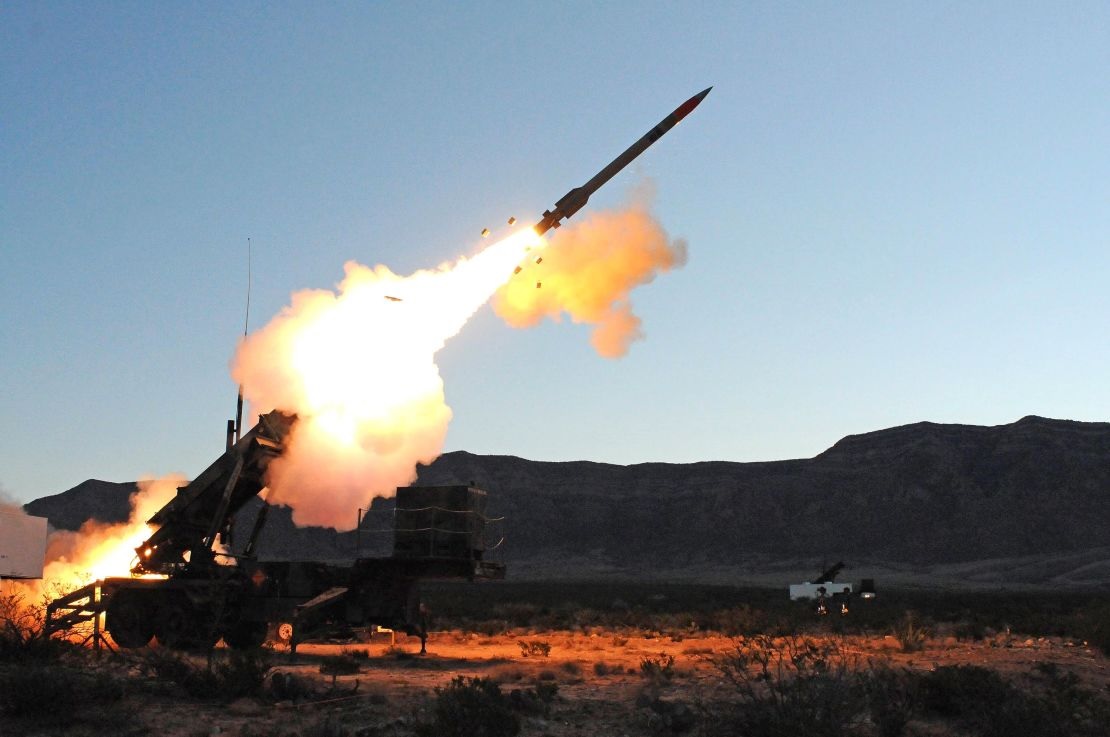
In a significant development for global defense, RTX Corporation has secured a substantial million contract news, valued at $183.7 million, to bolster the air defense capabilities of the United Arab Emirates (UAE). This latest agreement, focused on the long-term sustainment of the UAE's Patriot air and missile defense systems, underscores the critical importance of maintaining sophisticated defense infrastructure in an ever-evolving geopolitical landscape. While headlines often feature multi-million dollar deals in various sectors, from sports to technology, this particular defense contract highlights a different facet of high-value agreements: one centered on strategic partnerships, national security, and the enduring readiness of crucial defense assets.
Securing the Skies: RTX's $183.7 Million Deal for UAE Air Defense
The United States Department of Defense officially announced the awarding of this million contract news to RTX Corporation on March 4, 2026. The firm-fixed-price agreement is designed to provide comprehensive sustainment and operational support for the Patriot air and missile defense systems currently operated by the UAE. This vital partnership is slated to run for an extensive period, from the announcement date until March 3, 2031, ensuring continuous and reliable support for a cornerstone of the UAE's national defense.
The contract was facilitated under the U.S. Foreign Military Sales (FMS) program, a critical mechanism through which allied governments can acquire American defense equipment and services directly via the U.S. government. This program ensures transparency, interoperability, and robust logistical backing for nations seeking to enhance their defensive capabilities. It's noteworthy that the funding for this substantial contract, totaling $183.7 million, was provided entirely by the UAE government, with the full amount obligated at the time of signing. This commitment highlights the UAE's proactive approach to national security and its trust in U.S. defense technology and support services.
Management of this pivotal program will be overseen by the U.S. Army Contracting Command at Redstone Arsenal, Alabama. This command is a central hub for a significant portion of the U.S. Army’s missile defense procurement and sustainment activities, making it an ideal choice for ensuring the efficient execution of the agreement. RTX Corporation, a global leader in aerospace and defense—and formerly known as Raytheon Technologies—will serve as the primary contractor. Their extensive experience and technological prowess position them perfectly to deliver the necessary technical support and maintenance services for the UAE’s critical Patriot air defense infrastructure.
Operational Excellence: The Scope of Sustainment Services
The core of this $183.7 million RTX contract lies in its comprehensive scope of operational sustainment services. For a complex, high-technology system like the Patriot, ongoing maintenance, upgrades, and logistical support are not merely beneficial; they are absolutely essential for ensuring continued readiness and operational reliability. The Patriot system itself is a highly mobile, sophisticated surface-to-air missile system used by the U.S. Army and several allied nations for defending against various airborne threats, including aircraft, cruise missiles, and tactical ballistic missiles. Its effectiveness is directly tied to diligent sustainment.
Under the terms of the agreement, RTX technical specialists will deliver a wide array of critical services, meticulously designed to keep the UAE’s Patriot systems at peak performance. These services include, but are not limited to:
- Logistical Support: Ensuring that all necessary components, tools, and personnel are available precisely when and where they are needed.
- Supply Chain Management: Optimizing the flow of materials and information to maintain system readiness and minimize downtime. This is particularly crucial for complex defense systems with global supply chains.
- Program and Project Oversight: Providing expert management to ensure that all sustainment activities are executed efficiently, on schedule, and within budget.
- System Modifications: Implementing necessary hardware and software upgrades to keep the Patriot systems technologically current and capable of addressing evolving threats. This includes allowing the Pat (presumably for future upgrades or modifications).
- Delivery of Spare Parts and Hardware Kits: Supplying the essential components required for ongoing maintenance, repairs, and enhancements.
The significance of these sustainment services cannot be overstated. Even the most advanced defense systems become liabilities if not properly maintained. This contract ensures that the UAE's investment in the Patriot system remains potent, providing a robust shield against potential aerial threats for years to come. It's a testament to the understanding that initial procurement is just the beginning; true defense capability comes from enduring readiness.
Strategic Implications: UAE's Defense Posture and Global Partnerships
This million contract news represents more than just a financial transaction; it carries profound strategic implications for both the UAE and the broader landscape of U.S. foreign policy and defense partnerships. For the UAE, the continued enhancement and sustainment of its Patriot air defense systems are paramount for national security. Situated in a region with complex geopolitical dynamics, a strong and reliable air defense capability is crucial for protecting critical infrastructure, civilian populations, and national assets from a range of airborne threats.
The contract reinforces the strategic alliance between the United States and the UAE. Through the FMS program, the U.S. not only supplies advanced defense technology but also commits to long-term support, fostering deeper military cooperation and interoperability. This partnership contributes to regional stability by enhancing the defensive capabilities of key allies, thereby deterring potential aggressors and promoting collective security.
Economically, such a large defense contract benefits the U.S. defense industry, supporting jobs, driving innovation, and sustaining a vital sector of the national economy. For RTX Corporation, it solidifies its position as a trusted provider of advanced defense solutions and services on a global scale. This type of government-to-government transaction, supported by industry leaders, exemplifies how international defense collaboration functions to meet shared security objectives.
Beyond Defense: Diverse "Million Contract News" Across Industries
While the RTX contract underscores the critical nature of defense spending, the term "million contract news" reverberates across a surprising variety of sectors, each with its own unique drivers and impacts. Just as governments invest millions in safeguarding national security, private organizations and sports franchises invest heavily in talent and infrastructure to secure their futures and achieve their goals.
Consider the recent buzz in the world of professional basketball. New Orleans Pelicans forward Herb Jones recently agreed to a three-year, $68 million contract extension. This significant deal, reported by Shams Charania, brings Jones' total commitment to the Pelicans to five years and $97 million, with a player option in 2029-30. Jones has established himself as one of the premier defenders in the NBA, a skillset highly valued in today's game. His 2023-24 campaign was particularly standout, averaging 11.0 points, 3.6 rebounds, 2.6 assists, 1.4 steals, and 0.8 blocks per game, earning him a top-five NBA Defensive Player of the Year finish and All-Defensive First Team honors. This NBA $68M Contract: Herb Jones' Deal & Keon Ellis' Future highlights how market value, performance, and strategic importance drive multi-million dollar deals in distinct fields.
Interestingly, Jones' former teammate at Alabama, Keon Ellis of the Sacramento Kings, took to social media to show support after the big contract news, playfully stating, "Let me hold sum gang 😂😂 but nah this major 💯💪🏾." Ellis, a breakout player for the Kings, also showcases impressive defensive skills and shooting splits (48.9/43.3/84.9 last season, with 43% from three). While Ellis didn't receive a big payday this offseason, fans are calling for the Kings to handle his situation properly to avoid losing their standout guard, underscoring the ongoing valuation and negotiation cycles in sports. You can read more about his reaction and potential future earnings here: Kings' Keon Ellis Reacts to Ex-Teammate's $68 Million Payday. The contrast between these two types of "million contract news" is striking: one ensures national defense readiness, the other secures elite athletic talent. Both, however, represent substantial investments driven by strategic necessity and future potential.
The Future of High-Value Contracts: Innovation and Investment
Whether in defense or sports, these multi-million dollar contracts are clear indicators of continued investment in crucial areas. For the defense sector, the RTX contract signifies an ongoing commitment to technological superiority and robust security infrastructure. It ensures that the UAE's Patriot systems remain cutting-edge, capable of adapting to emerging threats through continuous modifications and upgrades. This constant cycle of investment drives innovation within the defense industry, pushing the boundaries of what advanced air and missile defense can achieve.
Similarly, in professional sports, contracts like Herb Jones' reflect the premium placed on specialized talent and winning strategies. Teams are willing to invest heavily in players who can significantly impact their performance and contribute to championships. This drives a competitive market where player development, statistical performance, and leadership qualities are constantly evaluated and rewarded. Both scenarios underscore a fundamental economic principle: high value is placed where strategic needs and exceptional capabilities intersect.
In conclusion, the $183.7 million RTX contract for the UAE's Patriot air defense systems is a monumental piece of million contract news, signifying a long-term commitment to national security and a robust defense posture. Through the U.S. FMS program, it strengthens international alliances and ensures the continuous operational readiness of vital defense assets. While its nature differs vastly from the multi-million dollar athlete contracts seen in the NBA, both types of agreements reflect significant strategic investments aimed at securing future success and safeguarding invaluable assets—be they national borders or a championship-contending roster. As global dynamics continue to shift, the importance of such high-value contracts across diverse industries will only continue to grow, shaping our future in profound ways.